
Enhancing IBM Design System
IBM sought to innovate its design system, aiming to leverage AI to automate repetitive tasks, assist with accessibility, and personalize user experiences. The goal was to streamline workflows, overcome system limitations, and align with strategic goals.
My Role:
UX Researcher
Completed a competitive audit on IBM’s Carbon Design System to ensure it aligns with current user needs.
Sr. UX Designer (Design System Specialist)
Offered reusable solutions that can be easily adopted across IBM's products like integrating industry trends like modularity and theming.
Accessibility Specialist
Provided suggestions for the design system updates to comply with accessibility standards and promote inclusive design.
Challenges & Opportunities
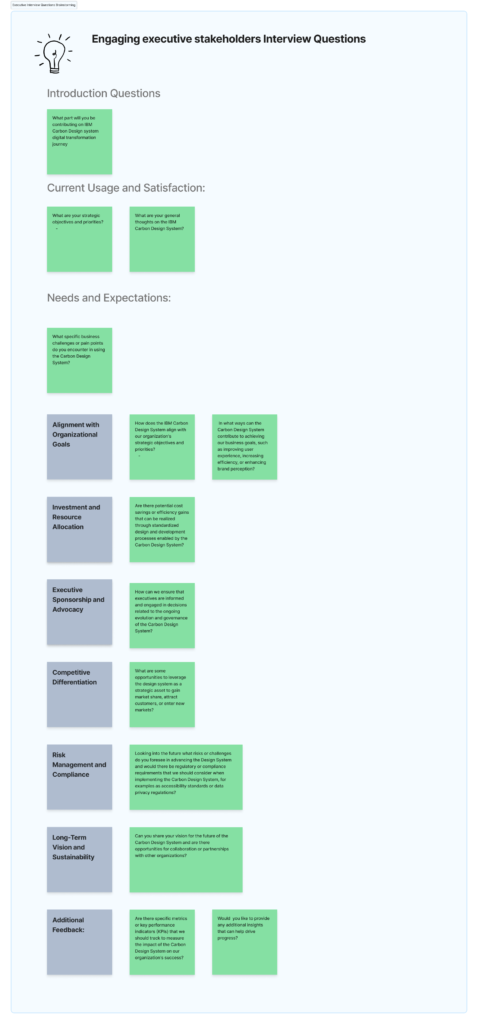
The project’s primary aim was to understand the current state of IBM’s design system and workflows through stakeholder interviews and comprehensive audits. The focus was on uncovering limitations, identifying opportunities for AI integration, and aligning improvements with IBM’s strategic roadmap.
Unique Factors
Tight timeline: 4 weeks for research and proposal.
Budget limitations restricted extensive prototyping.
Scope evolved based on initial findings and stakeholder feedback.
Current State Assessment
Compile the insights into actionable strategies and recommendations. Ensure a clear pathway forward, backed by strong evidence.
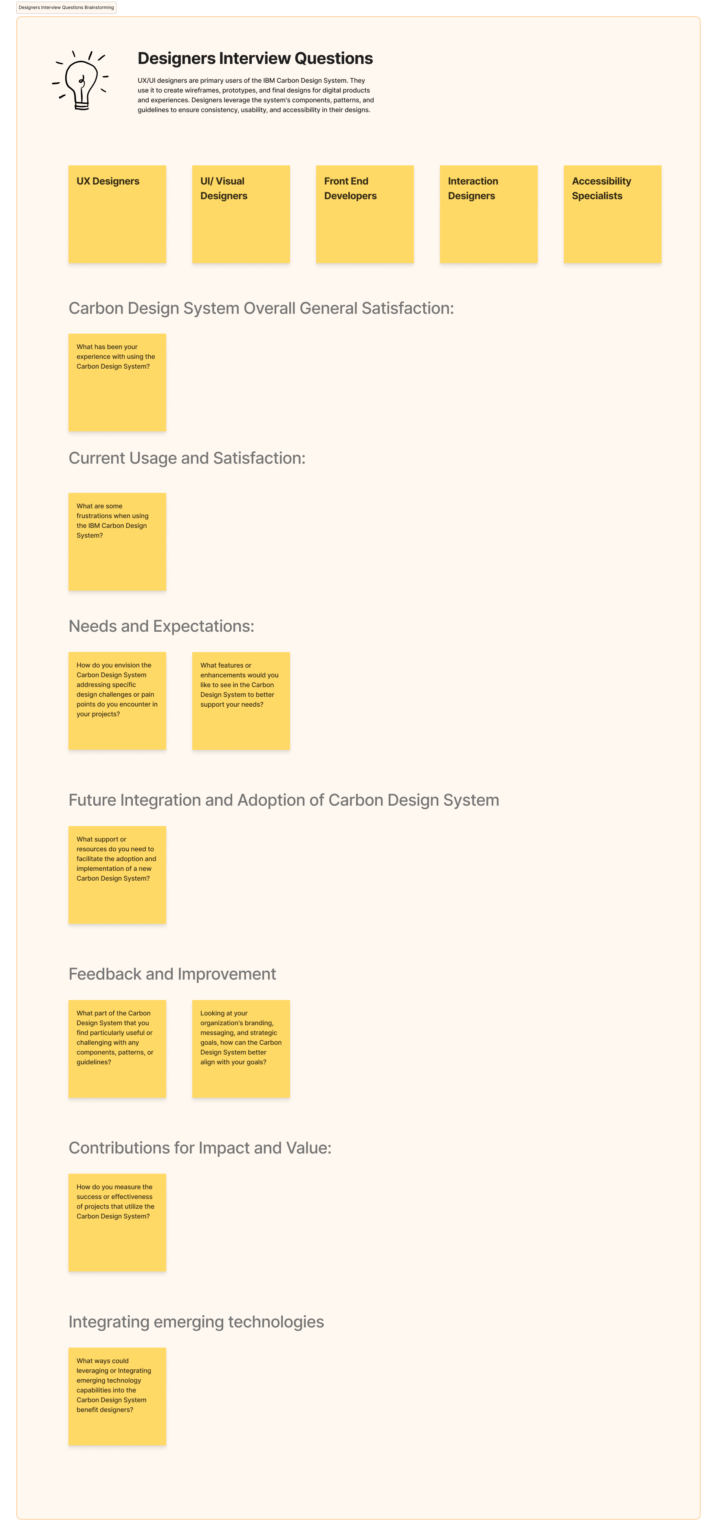
Discussion Guides and Interview Planning
Created tailored questions covering topics such as components, tagging, metadata, content fragments, design processes, accessibility, and analytics.
Interview Scheduling and Management
Planned the coordination of interviews across a 4-week timeline, ensuring comprehensive feedback
Stakeholder Interviews & Initial Analysis
Created 12 stakeholder interviews to provide a deep understanding of IBM’s current system, uncovering system limitations and exploring future-state planning.
Current State Audit
Performed an in-depth audit of IBM’s design system, focusing on how to improve searchability and content organization.

The analysis of Spotify and Uber, focuses on four key areas: scalability (how well the system grows with product demands), flexibility (adaptability across different use cases and regions), usability (ease of access and implementation for designers and developers), and accessibility (adherence to standards like WCAG and support for inclusive design).
Stakeholder Design Think Tank
Driving Innovation through
Detailed Research and Strategic Insights
Though the final pitch was not selected, the project provided IBM with detailed insights into their current design system and clear, actionable recommendations for future improvements.
Design System → Systems Thinking
IBM — Sustainable Data Center Concept


THE CHALLENGE
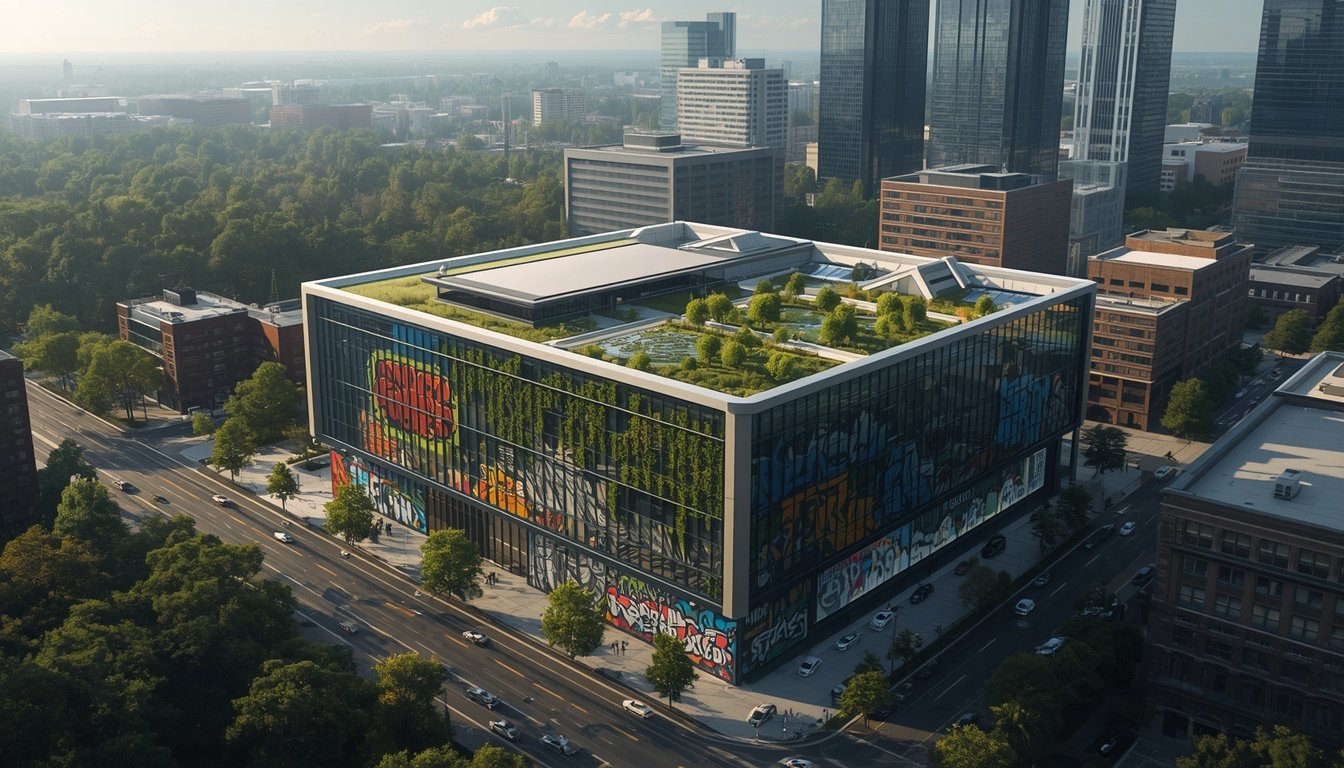
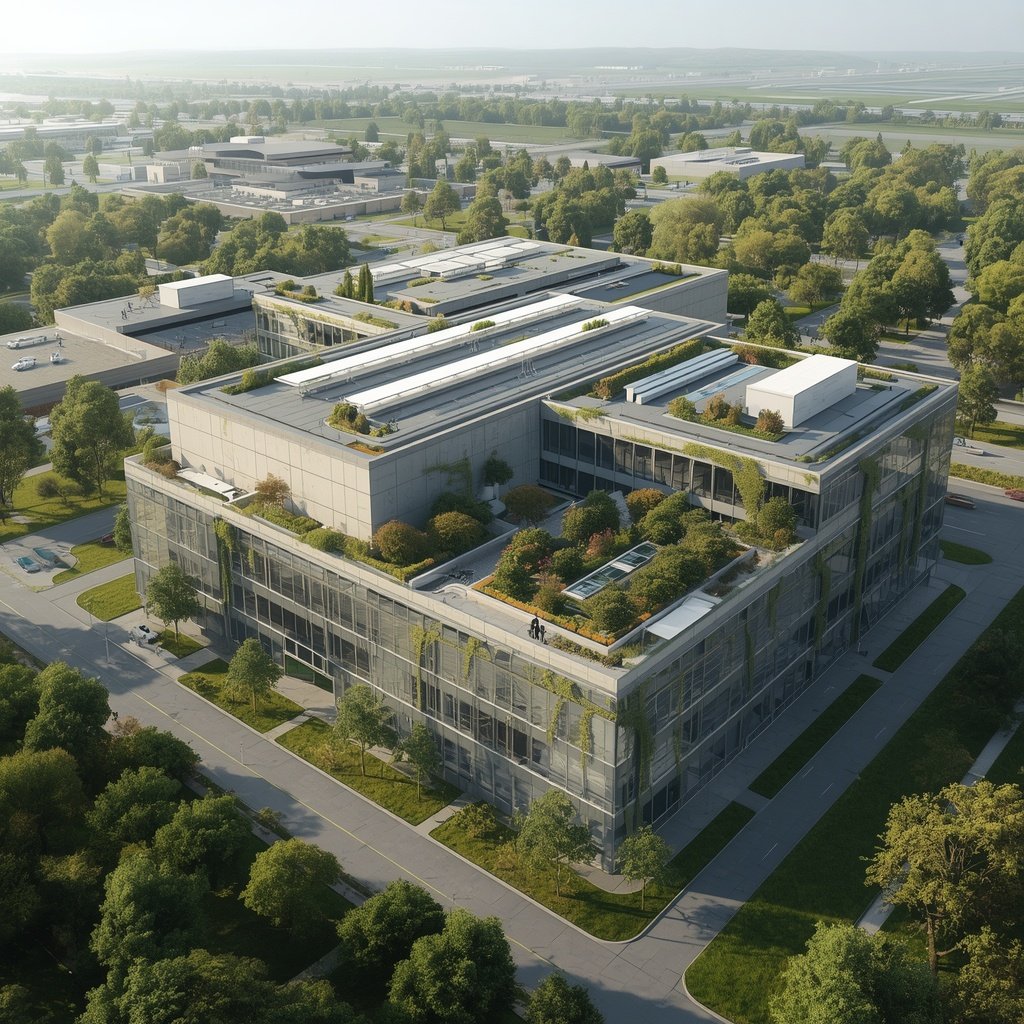
How might IBM rethink the data center as more than infrastructure—and design it as a sustainable part of the communities and environments where it operates?
THE IDEA
I explored two connected opportunities: improving IBM’s design system through stronger stakeholder discovery, then extending that systems-thinking approach into a concept for regionally adapted, sustainable data centers.
THE CONCEPT
ONE SYSTEM. DIFFERENT ENVIRONMENTS.
Instead of designing every data center the same way, the concept adapts infrastructure to its surrounding climate, energy resources, wildlife, and culture.
